From trials to scale: The shift to level 4 autonomous GSE

Written by Hamza Ouzouhou
Insights

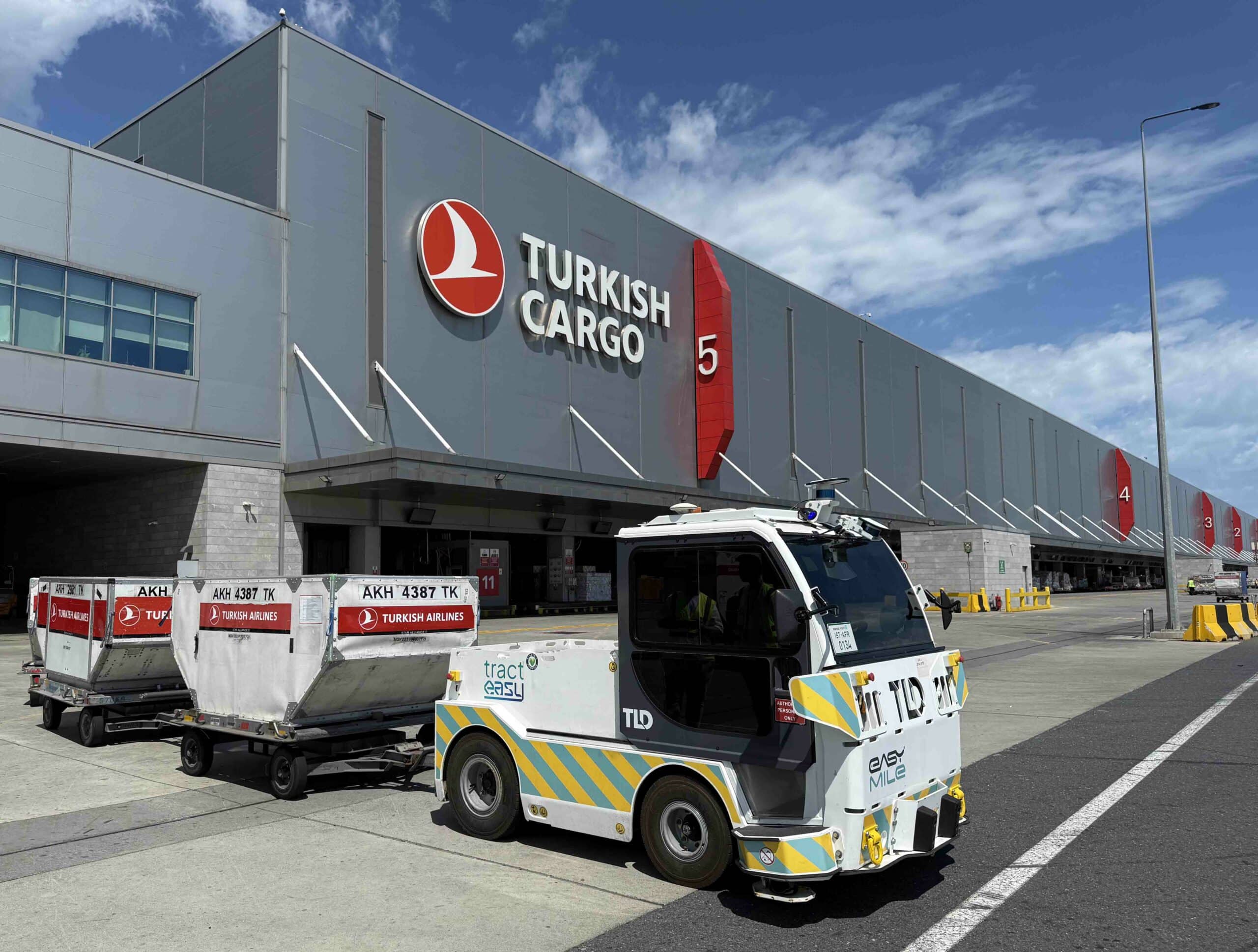
If you have not started adopting autonomous vehicles at airports, you are already late, according to Rich Reno, CEO of TractEasy. Speaking at the 26th Annual GHI Conference during the session ‘Autonomous vehicles — moving from trial to mass adoption’, he explained there are several autonomous vehicle projects and TractEasy launched its first project over six years ago.


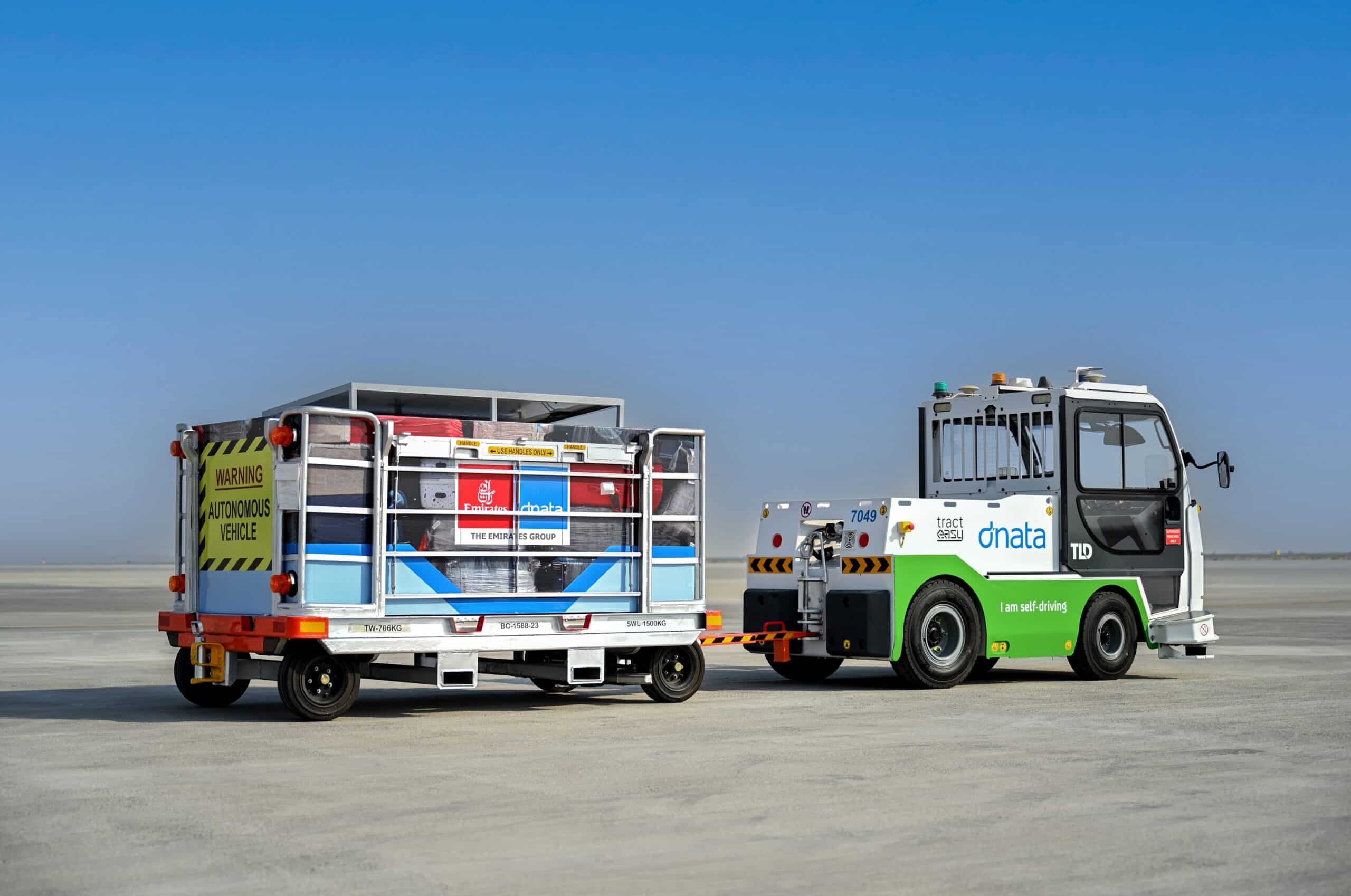
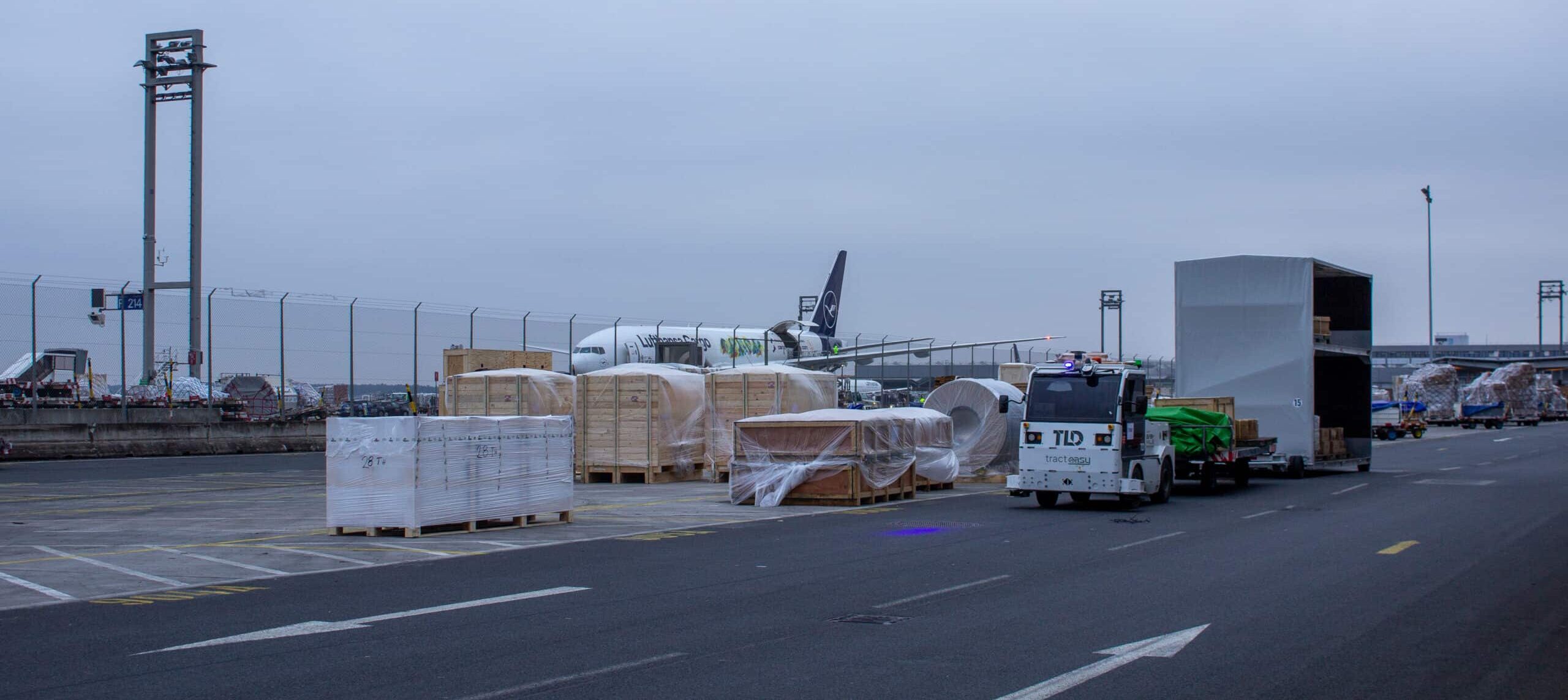
Addressing the question of use cases for autonomous GSE, Reno said they are suitable for any movement of ULDs, baggage or cargo and they bring considerable safety benefits because staff doing their jobs will damage equipment. Automating processes removes damage to equipment and, more importantly, people.


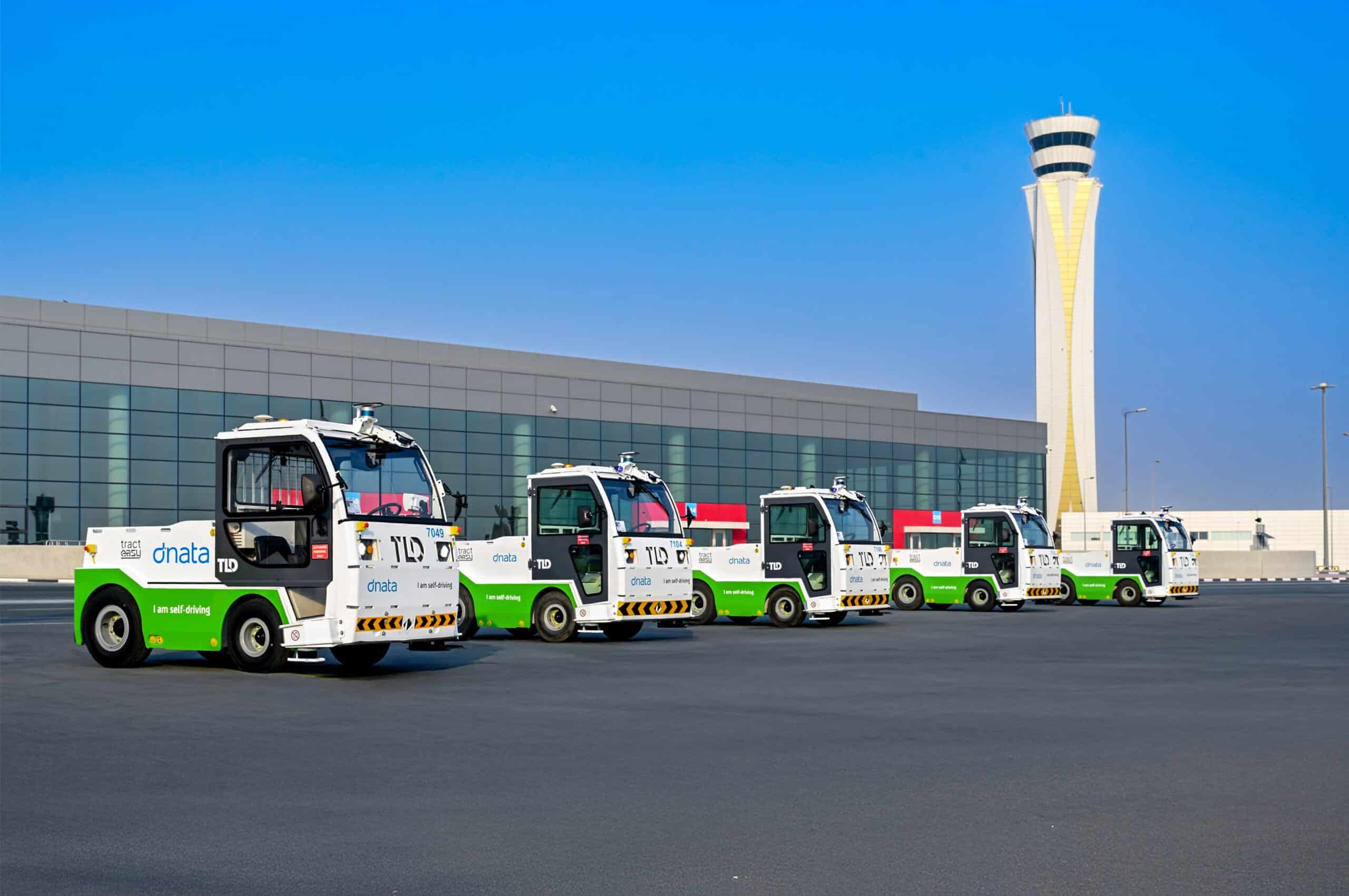
TractEasy has done deployments at 13 airports, many of them at Level 4 autonomous driving and aviation authorities are increasingly receptive to their use. Autonomous fleets from multiple suppliers are being scaled and they have moved beyond demos, said Reno.


Autonomous GSE is moving from trials to scaled operations but there are still several hurdles to overcome. Experts gathered at the 26th Annual GHI Conference to share their insights

So you’re late and eager to get started, what do you do? You need the right partner and know what you want to do, Reno said, recommending simple, repeatable use cases because the technology is ready. He said go straight to Level 4 automation because if customers go for Level 3 with a safety driver, it is hard to understand problems and progress to the next level.


Proactive change management is essential because people need to change working methods. Once the first vehicle is deployed, the next vehicles soon follow.


Stressing that companies who have not started autonomous deployments can still catch up, Reno said: “When someone sees a vehicle operating on our site, they immediately want one but sometimes it takes up to a year. Pilots are a thing of the past now, people who are serious go for full-scale operations and the people who are doing it today are the innovators you will have to follow so you might as well be part of it. Be part of it or be behind it,” wrapping up his presentation.


As published in Ramp Equipment News. Link to full article here.